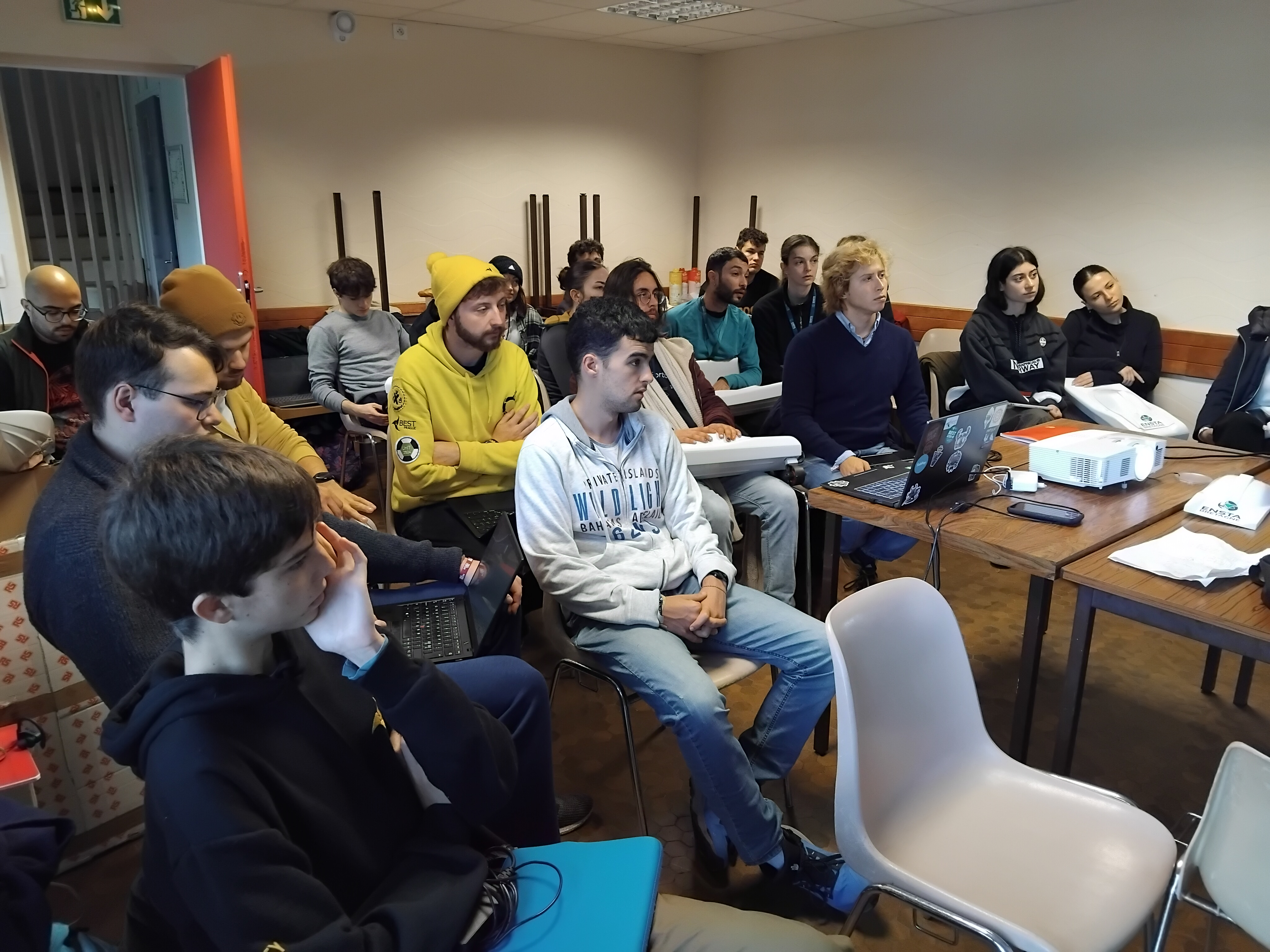
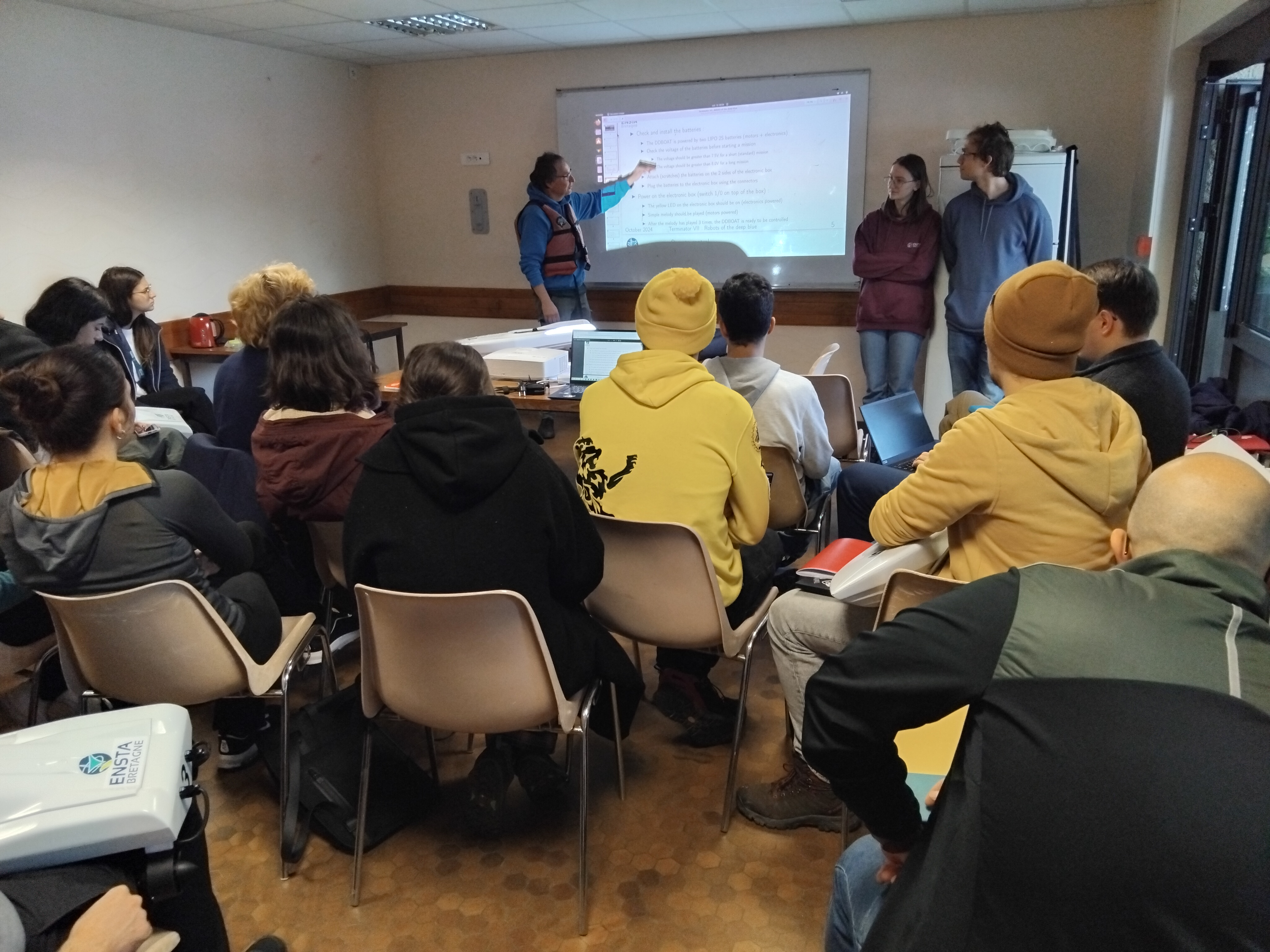
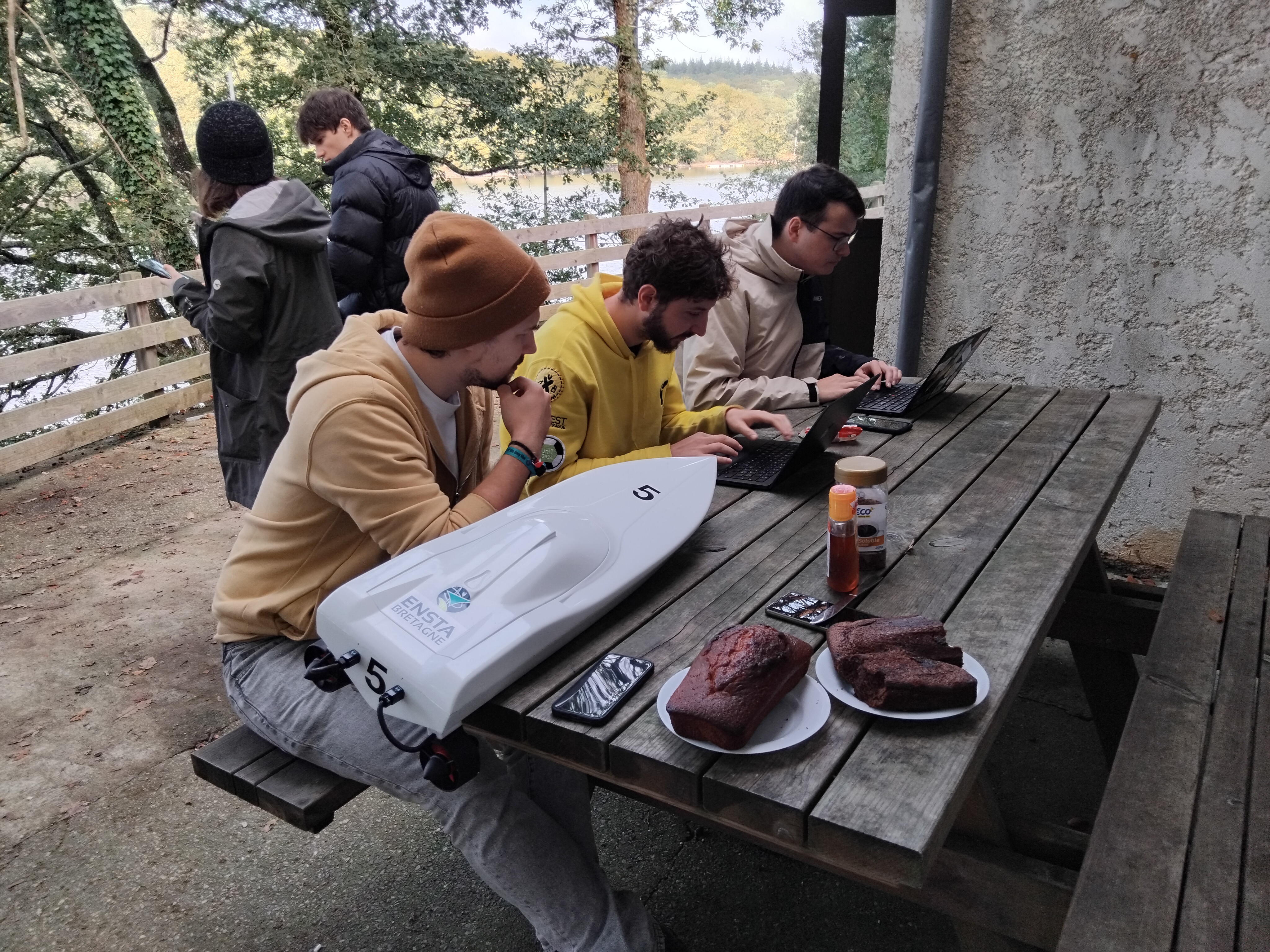
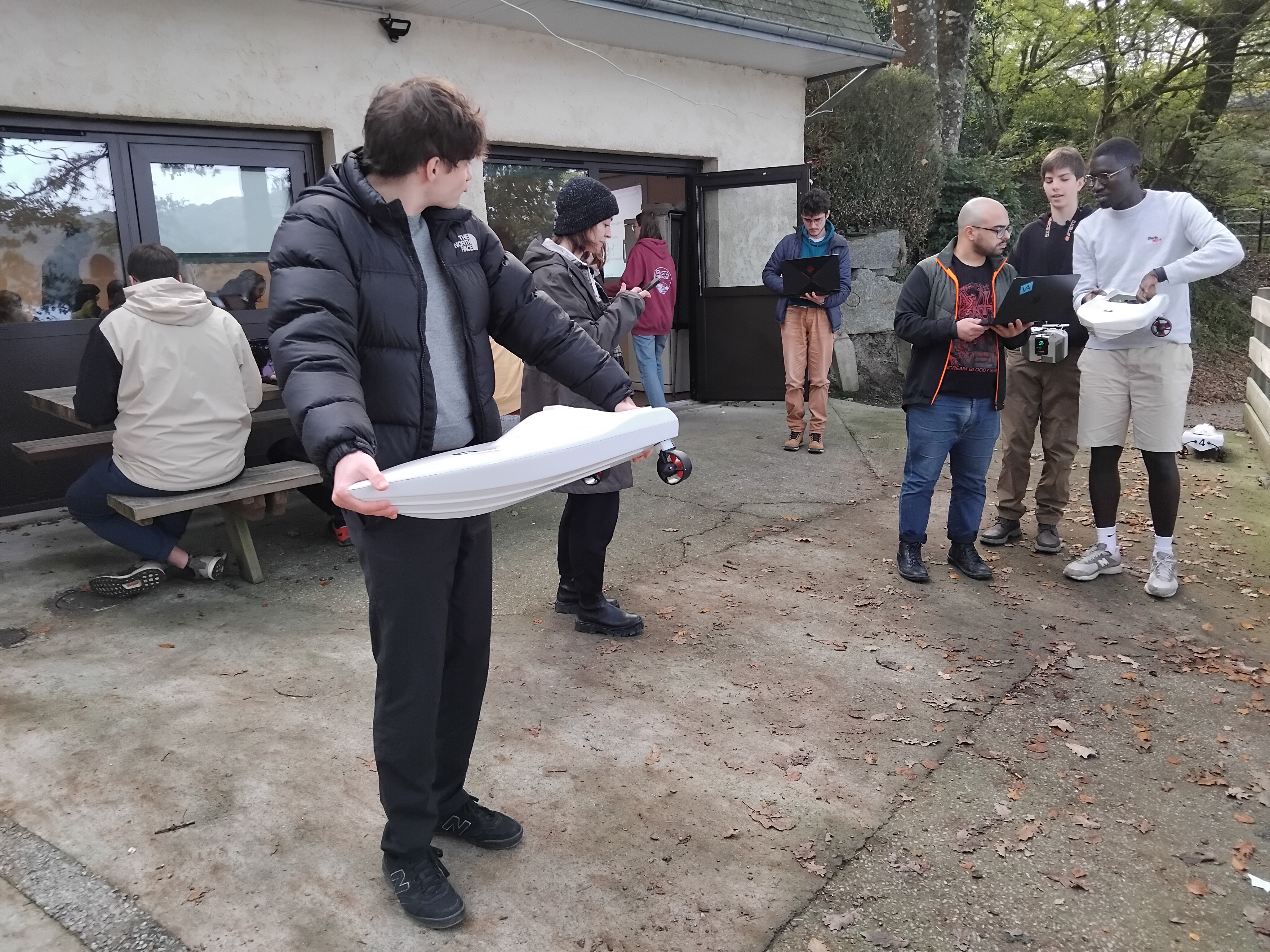
Interval Analysis for distributed localization of mobile robots
About the course
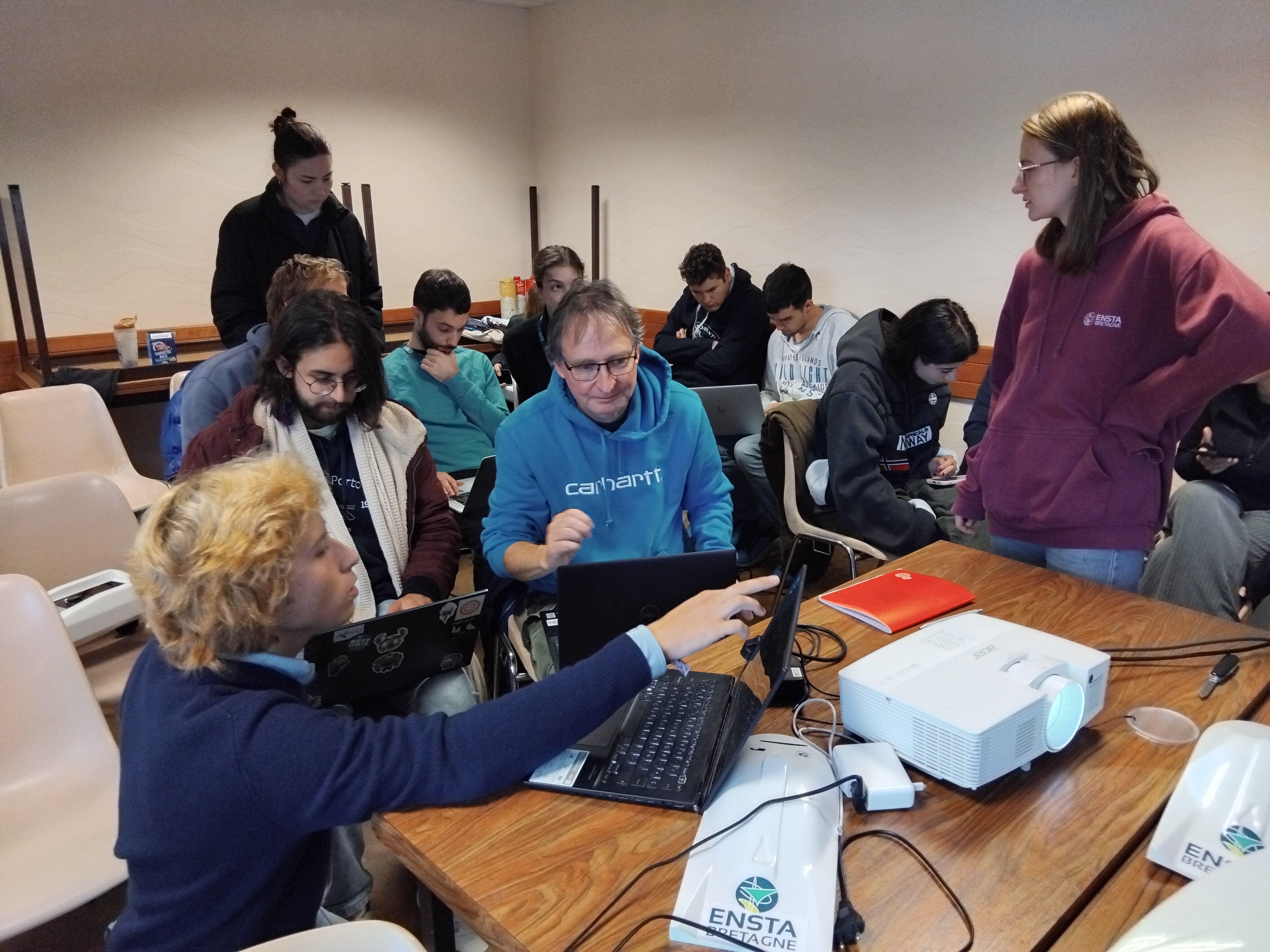
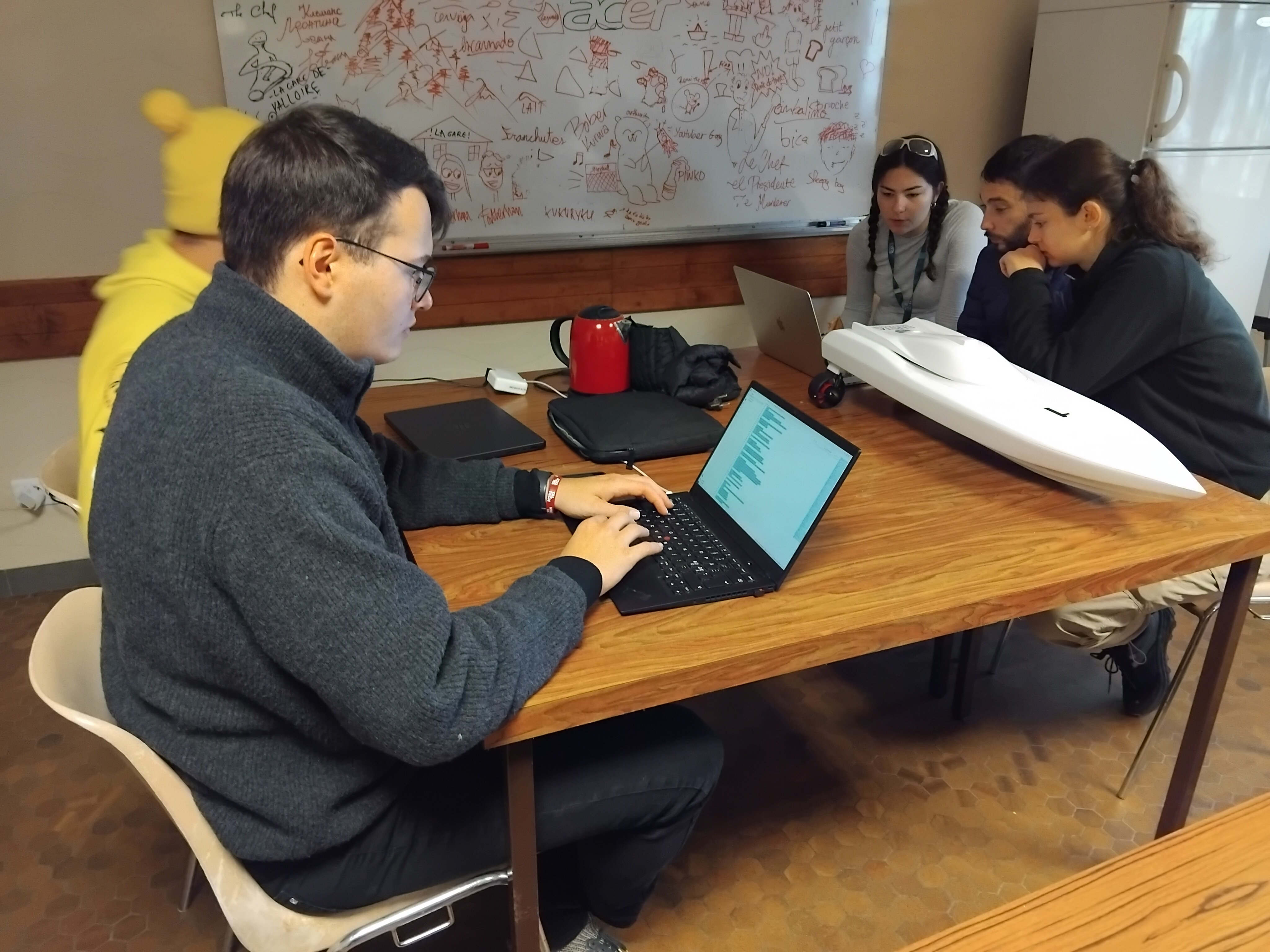
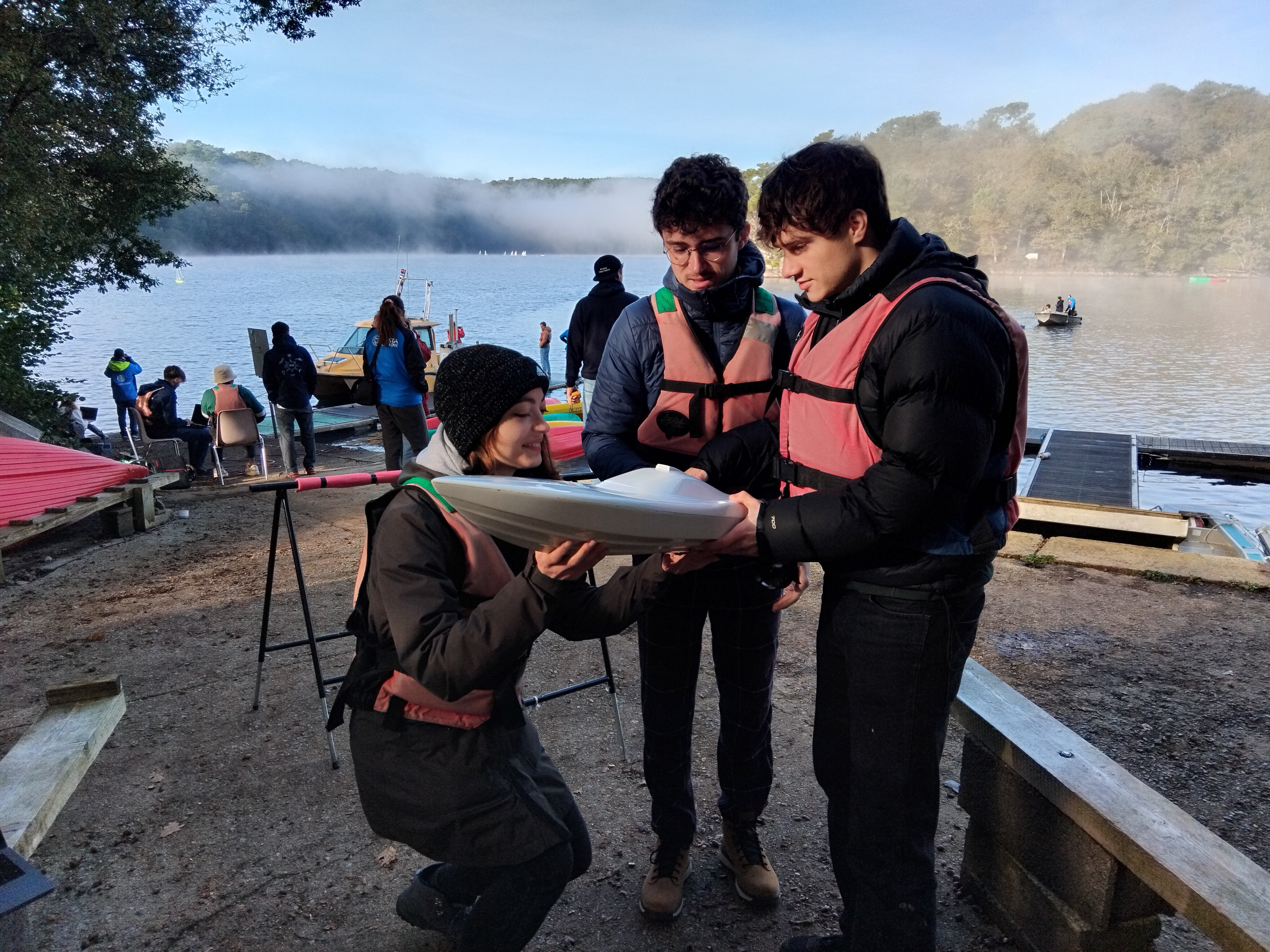
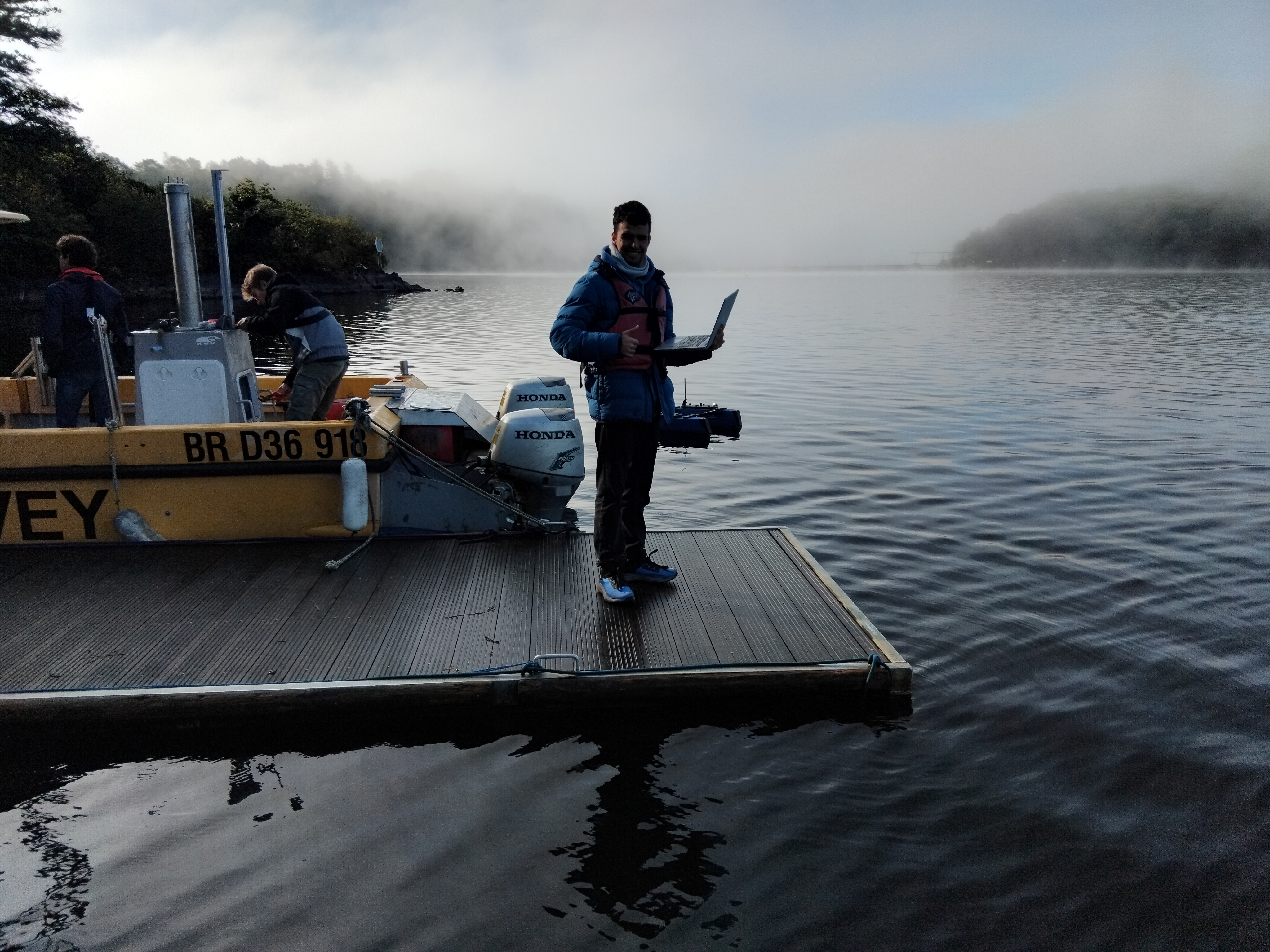
The course proposes some notions on Interval Analysis with distributed localization of marine robots.
Interval analysis concerns the methods which compute with intervals in place of real numbers to model the uncertainty.
There is a large number of applications in Control, Optimization, Robotics, Chemistry.
The application considered here is the localisation with range-only measurements.
What is Interval Analysis?
Interval Computation is a numerical tool which allows us to solve nonlinear problems in a guaranteed way.
One of the pioneers of interval computations is Ramon E. Moore. He contributed largely to its development and dissemination.
Nowadays, Interval Computations can be found in many fields: global optimization, set inversion, parameter estimation, localization of robots, etc.
Interval Computation offers a general numerical framework to easily get reliable results.
Interval Computation can deal with a huge class of problems involving equations or inequalities which can be non-smooth,
non-convex, or with different kind of variables.
Interval tools are easy to understand. They only require basic knowledge on mathematics and computer sciences.
The results provided by interval methods are guaranteed, which means that from correct assumptions.
Interval Computations will provide correct conclusions.
The results are guaranteed in any case. As a consequence, interval computations can be used to prove mathematical theorems.
For instance, W. Tucker has proven the conjecture of Lorenz and Thomas Hales the conjecture of Kepler, both using Interval Computations.
Required
To follow course, you should have some basic notions in Python and some knowledges in mathematics.
You will have to install Python 3 in your machine.