BEST'2026
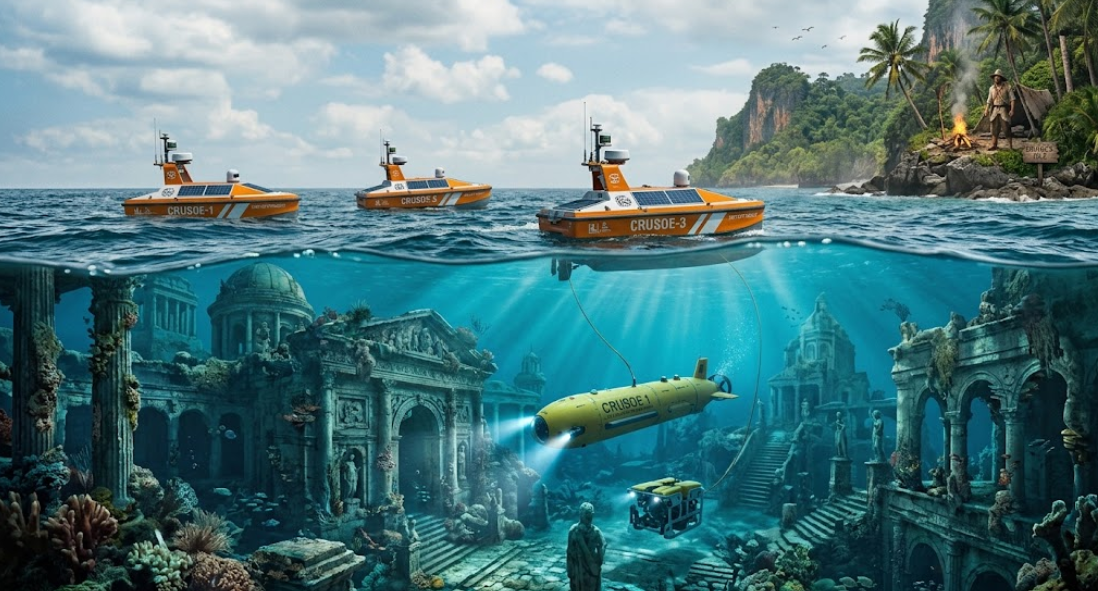
ROBOTson Crusoe :
Let’s explore the lost city
October 19-23
Guerlédan, Bretagne
Annoncement: https://www.best.eu.org/event/details.jsp?activity=i4afz1z
Planning
Luc Jaulin: Autonomous robots (Monday: 11:00-16:00)
This lesson introduces the fundamentals of Basic Nonlinear Control for Autonomous Surface Vehicles,
assuming full and direct availability of the vehicle's state vector without the use of state observers or sensor estimation loops.
Focusing purely on state-feedback control design, the module covers classical nonlinear strategies.
Students will learn to formulate state-space models for uncrewed surface vessels (USVs) and design robust control.
 Slides.
See mainly Chapter 4.
 Librairie to use ddboatlib.py.
Luc Jaulin: Interval analysis for localization (Tuesday : 10:00-16:00)
About the course
The course proposes some notions on Interval Analysis with distributed localization of marine robots.
Interval analysis concerns the methods which compute with intervals in place of real numbers to model the uncertainty.
There is a large number of applications in Control, Optimization, Robotics, Chemistry.
The application considered here is the localisation with range-only measurements.
What is Interval Analysis?
Interval Computation is a numerical tool which allows us to solve nonlinear problems in a guaranteed way.
One of the pioneers of interval computations is Ramon E. Moore. He contributed largely to its development and dissemination.
Nowadays, Interval Computations can be found in many fields: global optimization, set inversion, parameter estimation, localization of robots, etc.
Interval Computation offers a general numerical framework to easily get reliable results.
Interval Computation can deal with a huge class of problems involving equations or inequalities which can be non-smooth,
non-convex, or with different kind of variables.
Interval tools are easy to understand. They only require basic knowledge on mathematics and computer sciences.
The results provided by interval methods are guaranteed, which means that from correct assumptions.
Interval Computations will provide correct conclusions.
The results are guaranteed in any case. As a consequence, interval computations can be used to prove mathematical theorems.
For instance, W. Tucker has proven the conjecture of Lorenz and Thomas Hales the conjecture of Kepler, both using Interval Computations.
Required
To follow course, you should have some basic notions in Python and some knowledges in mathematics.
You will have to install Python 3 in your machine.
Practice
A zip file containing the starter programs for localization:

Maël Godard: Safe navigation of a robot in a landmarked environment (Tuesday: 14:00-16:00)
In this lesson, we explore how autonomous systems can guarantee collision-free movement and using rigorous mathematical frameworks.
By modeling the robot's motion and its interaction with the environment as dynamical systems,
we capture continuous state transitions over time. Furthermore, by integrating interval analysis, the lesson addresses inherent
sensor noise and control uncertainties through guaranteed bound propagation rather than probabilistic approximations.
This powerful combination allows the robot to leverage known landmarks for trajectory correction while mathematically proving that
all possible future states remain within safe, collision-free envelopes—ensuring absolute safety guarantees even in complex, constrained operating spaces.
Slides of Mael Godard: Safe navigation of a robot in a landmarked environment
Romain Bornier: Reinforcement Learning (Wednesday: 14:00-16:00)
In this lesson, we focus on leveraging data-driven policies to govern the actuation,
stabilization, and trajectory tracking of autonomous marine vehicles.
Unlike high-level path planning, this control-centric approach addresses the intricate,
highly non-linear hydrodynamic forces—such as ocean currents, wave disturbances, and fluid drag—that
traditional model-based controllers often struggle to handle robustly.
By training agents to map sensory feedback (like velocity, heading, and angular rates) directly to optimal actuator commands
(such as thruster inputs and rudder angles), RL provides adaptive, real-time control strategies capable of
maintaining precise stability and tracking in unpredictable aquatic environments.
Slides of Romain Bornier.
Antoine Morvan: Digital twins with application to marine robotics (Thursday 9:30-12:30)
This lesson introduces the concepts and methodologies behind building real-time, virtual replicas of autonomous marine vehicles.
The course explores how to integrate physical vehicle models, and continuous data streams to construct a synchronized digital counterpart.
Students will learn how Digital Twins go beyond simple simulation by enabling predictive real-time mission optimization.
Slides of Antoine Morvan.
Jean Philippe Brunet: Applied physics and access to the global ocean (Thursday 14h00-16h00)
This talk explores physics-first engineering approaches to modern maritime autonomy and deep-sea access.
It critiques legacy capital-ship doctrines in favor of scalable, cost-effective, and rapidly prototyped autonomous underwater and surface vectors.
The presentation highlights core principles like metamaterials, auxetic structures, and fluid cloaking to optimize hydrodynamic performance under extreme pressure.
It examines the tactical shift toward attrition-resilient, disposable-vector operations that bypass traditional logistical bottlenecks.
Ultimately, it challenges engineers to prioritize fundamental physical laws, material flows, and strategic end states over conventional hull designs.
Slides of Jean Philippe Brunet.
Reports
Report of Group 1.
Report of Group 2.
Report of Group 3.
Report of Group 4.
Galerie
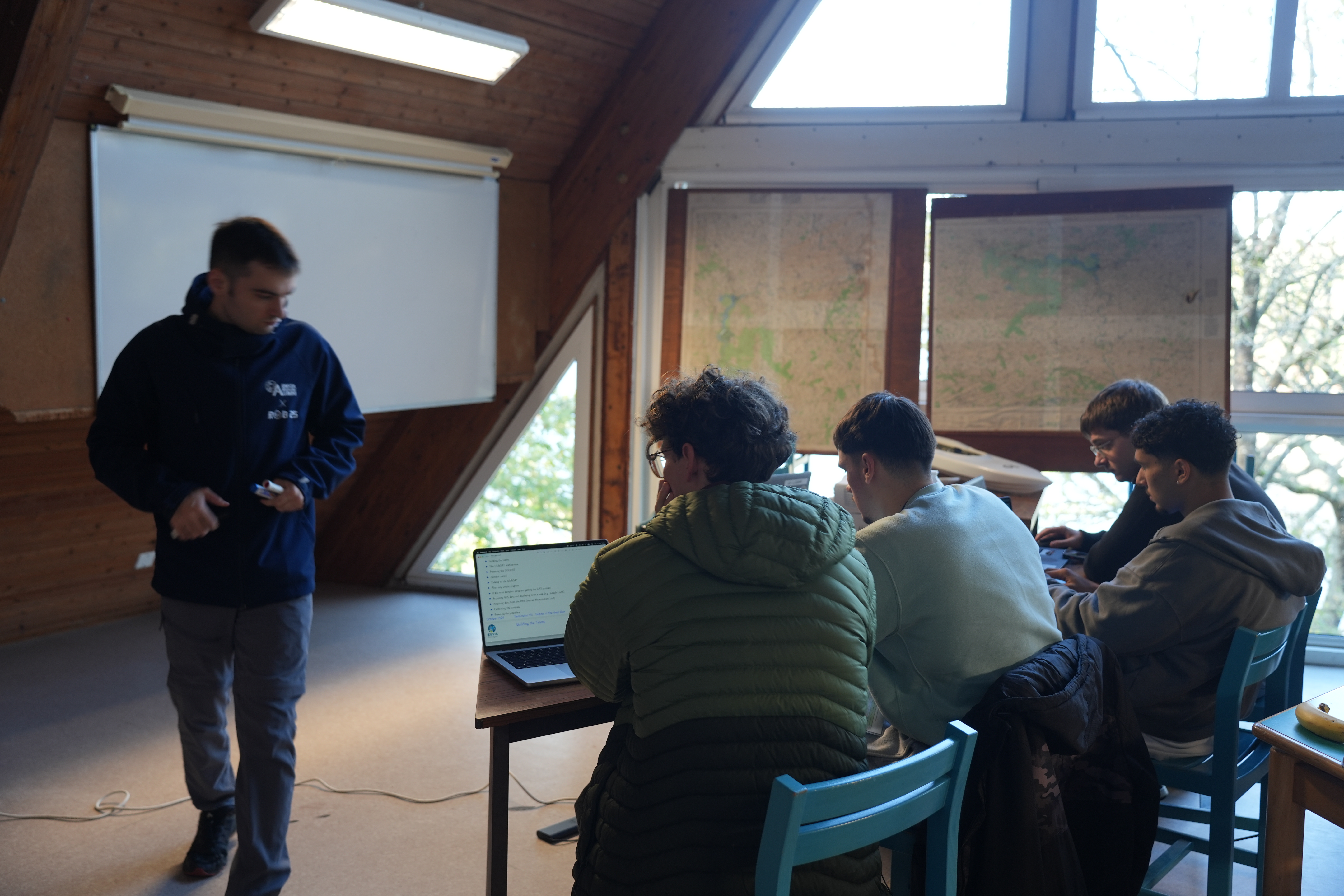
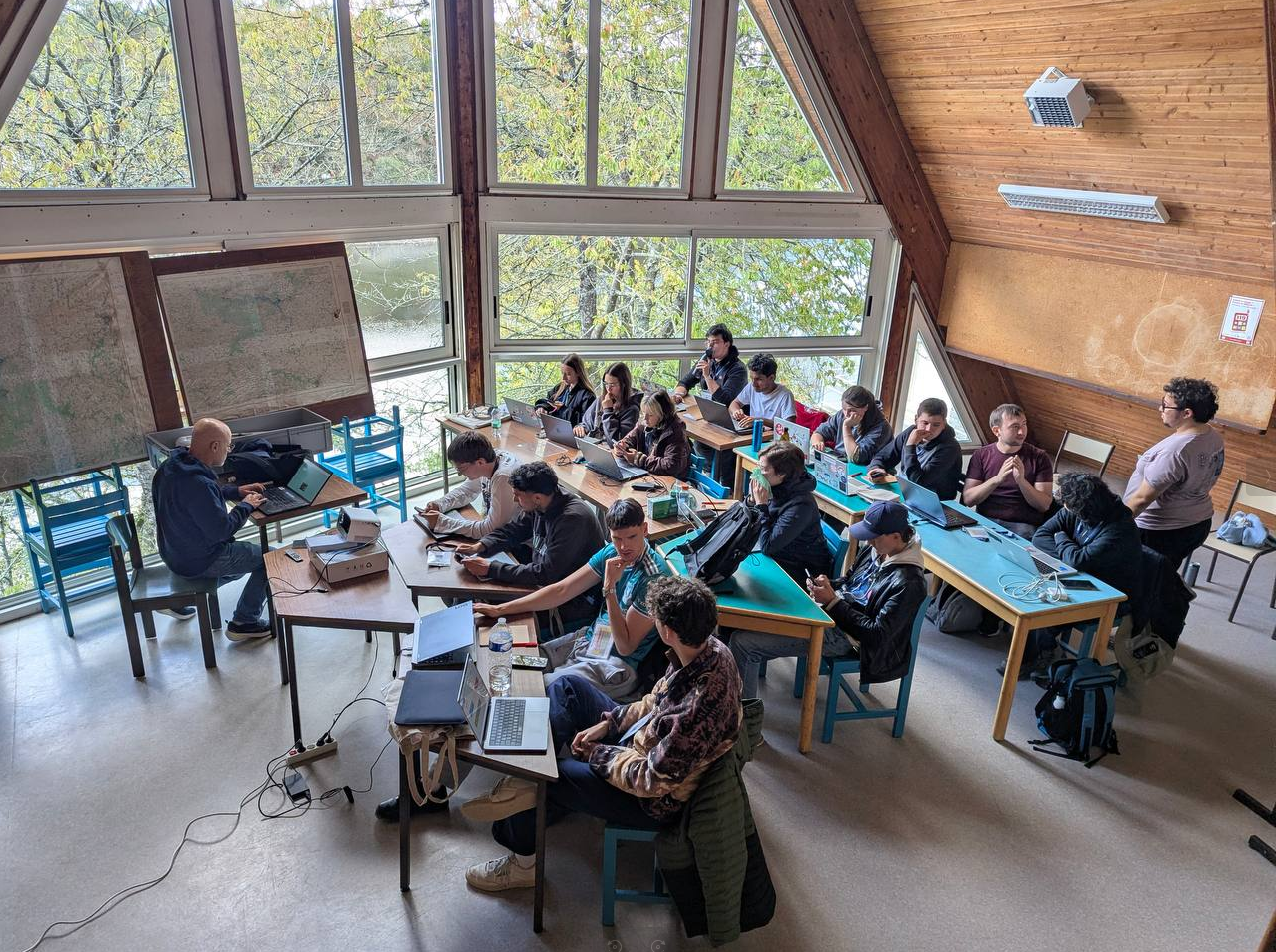
Antoine Morvan (phd)) is teaching
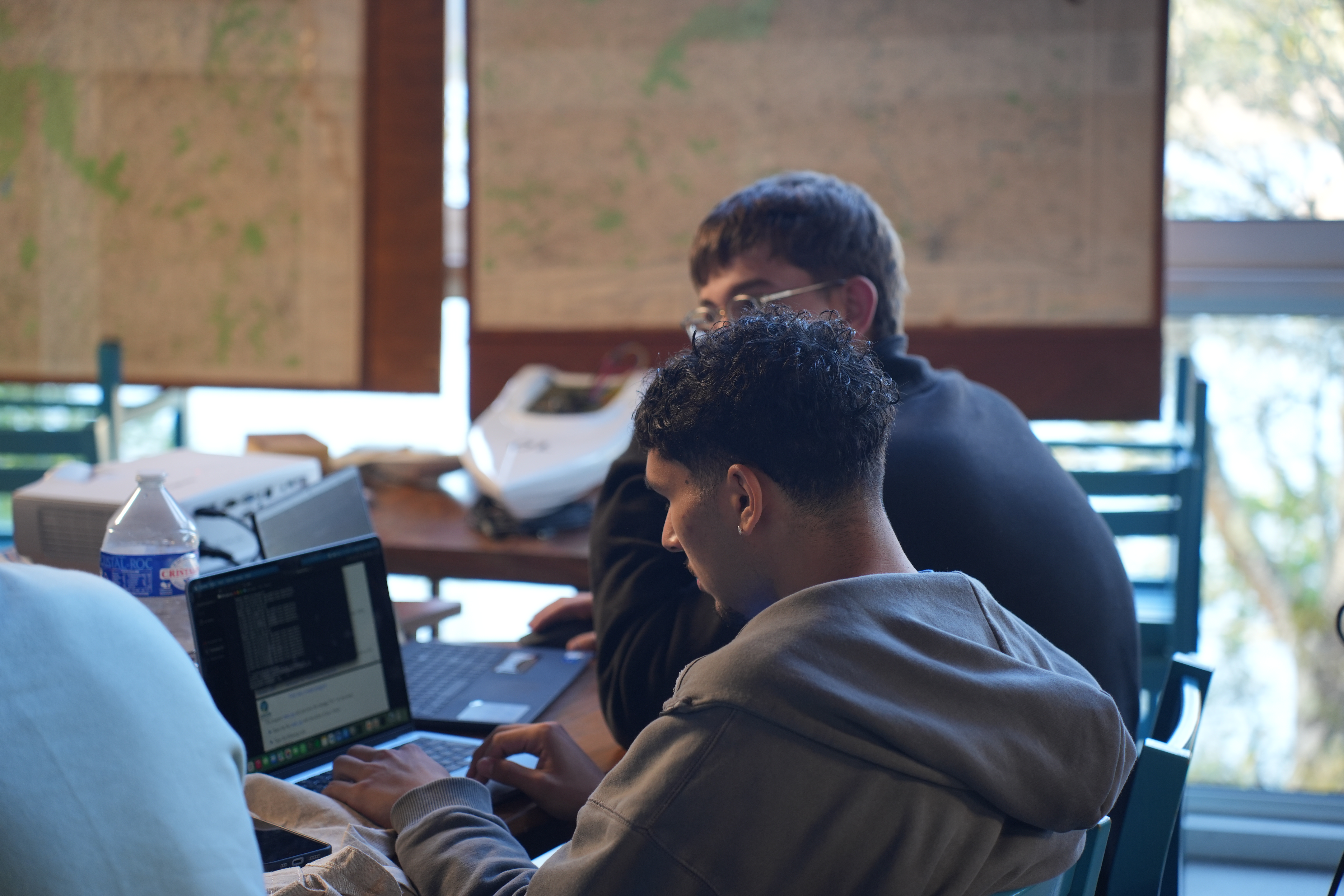
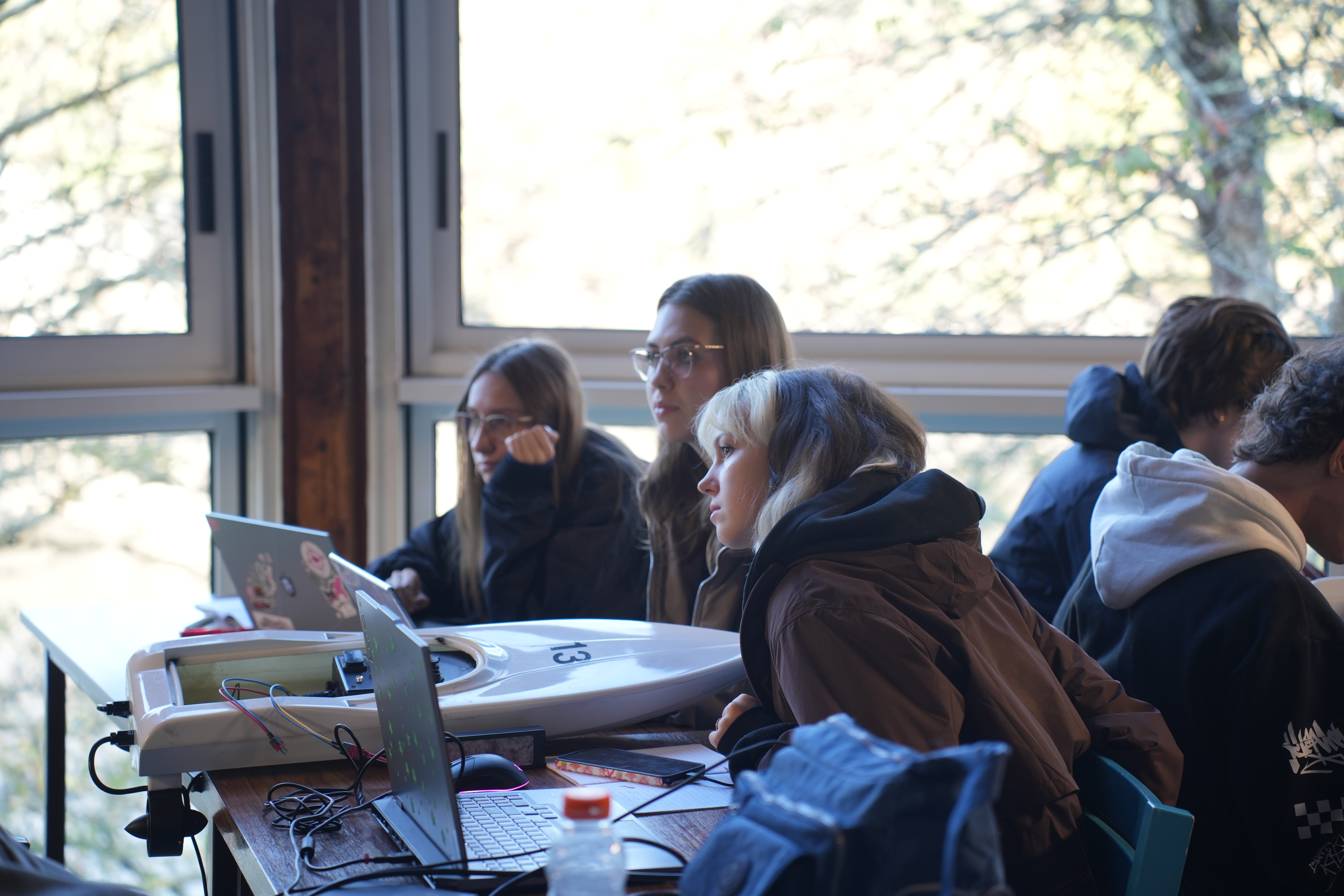
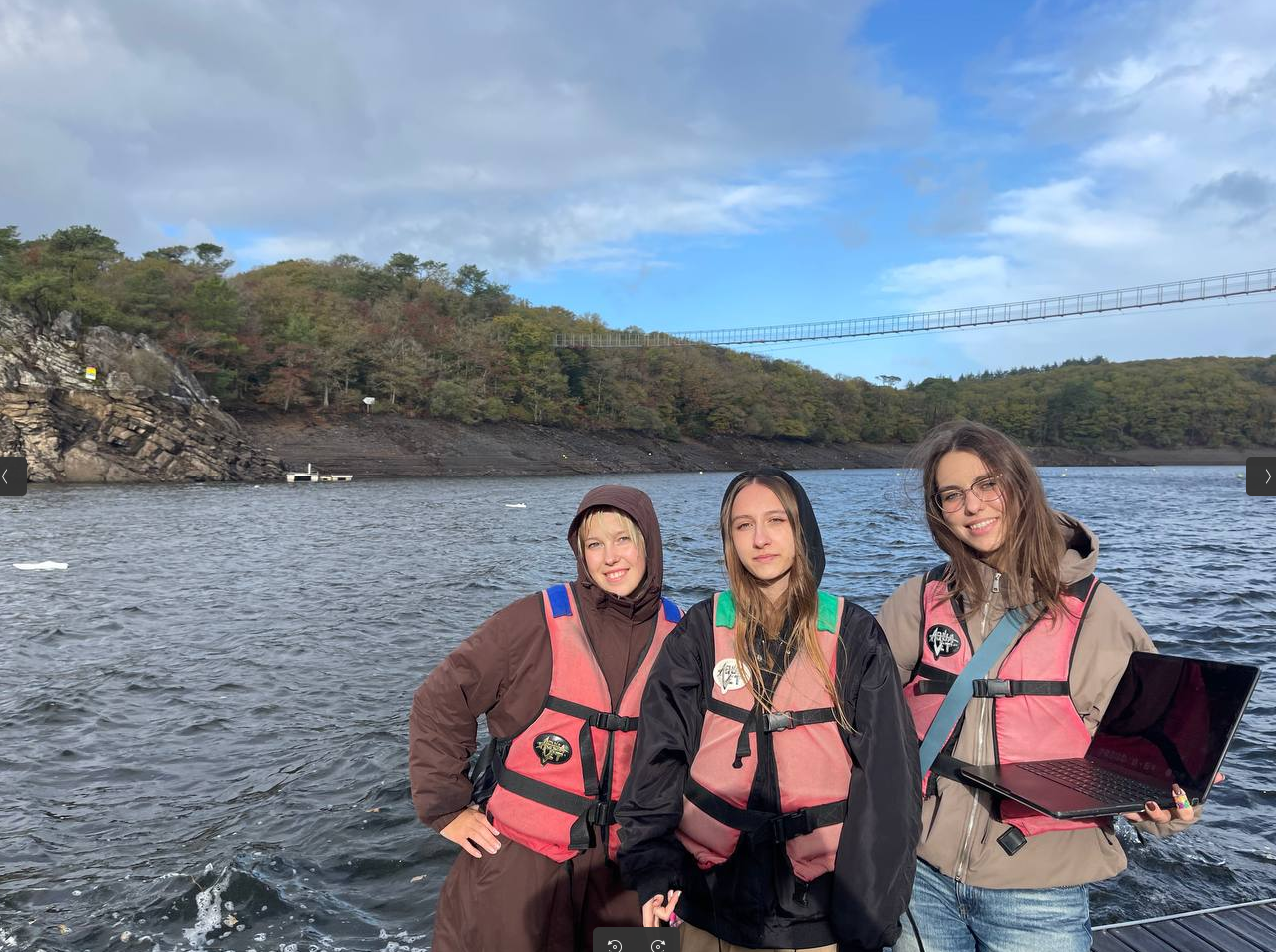
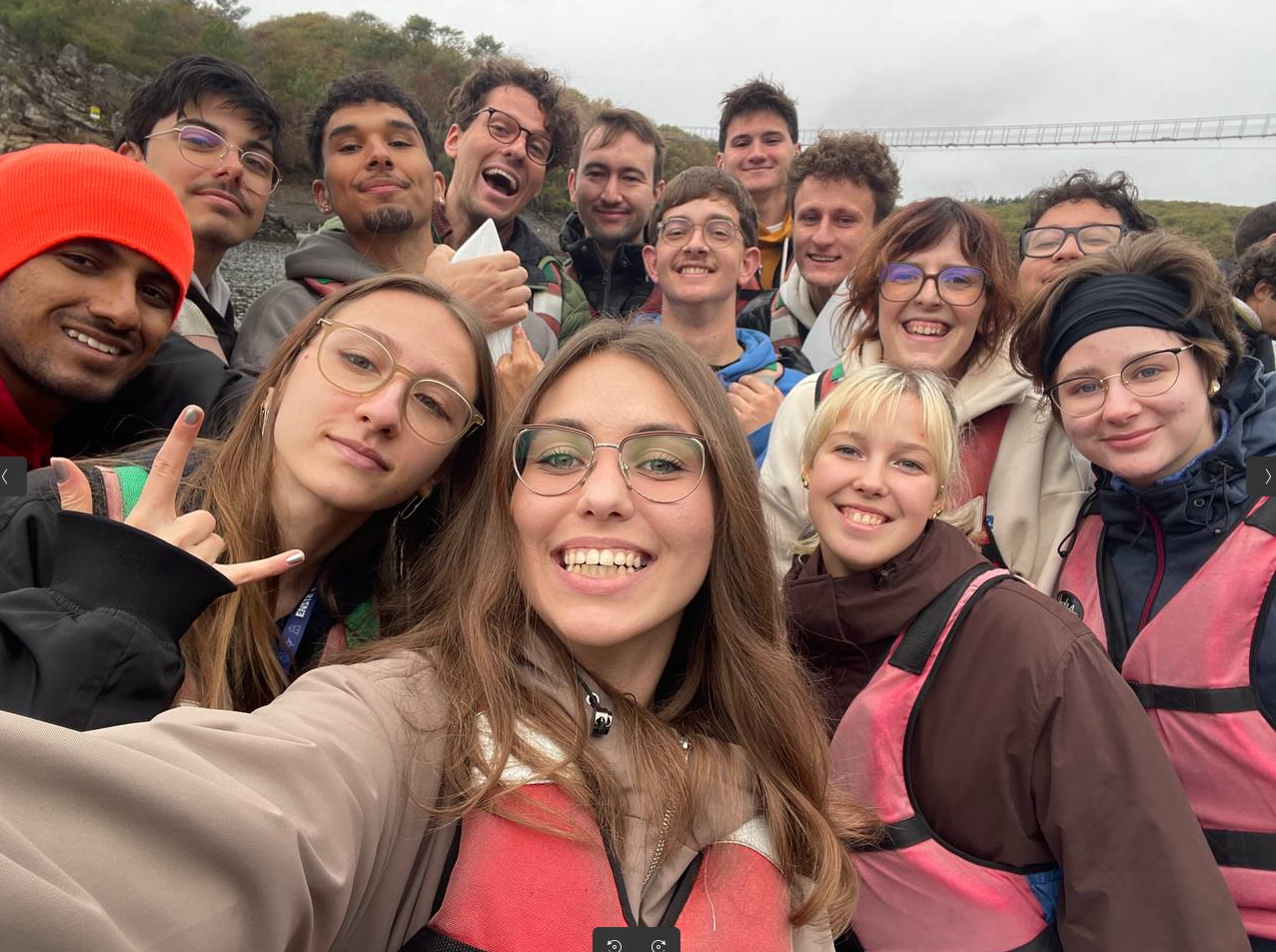
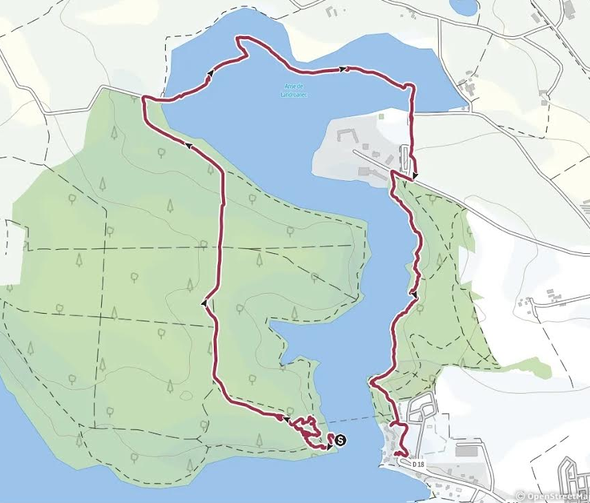
The long walk around the lake
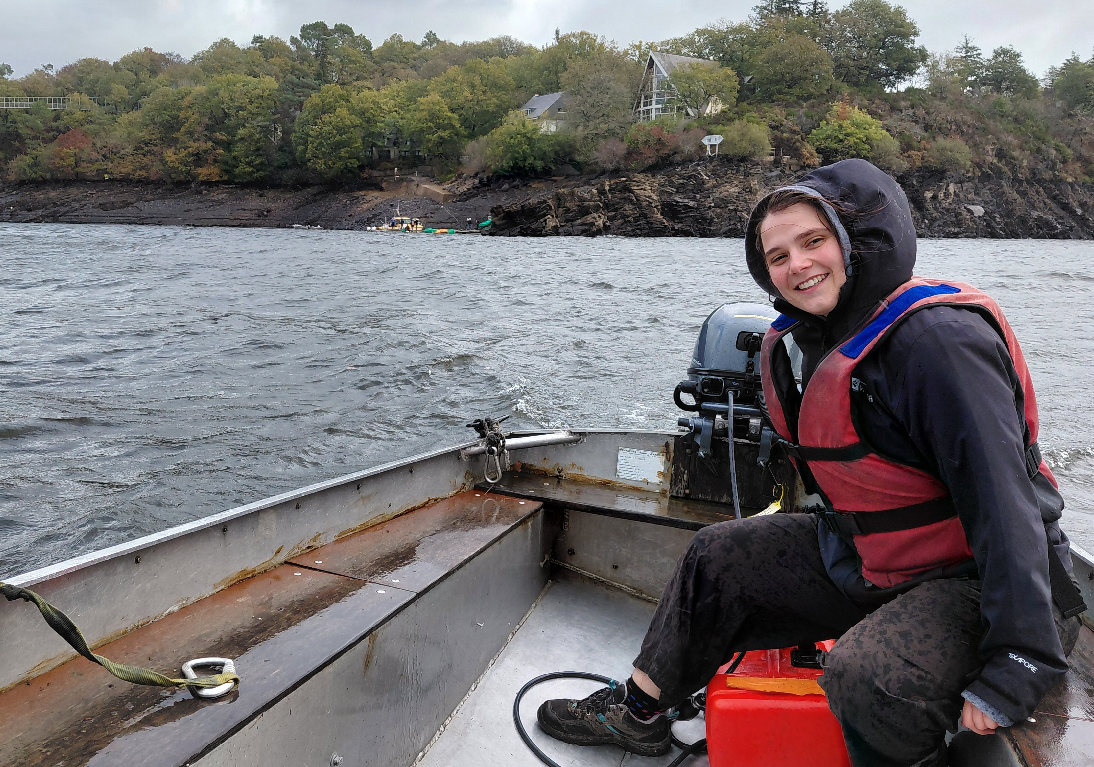
Coco brings back the lost DD-Boats
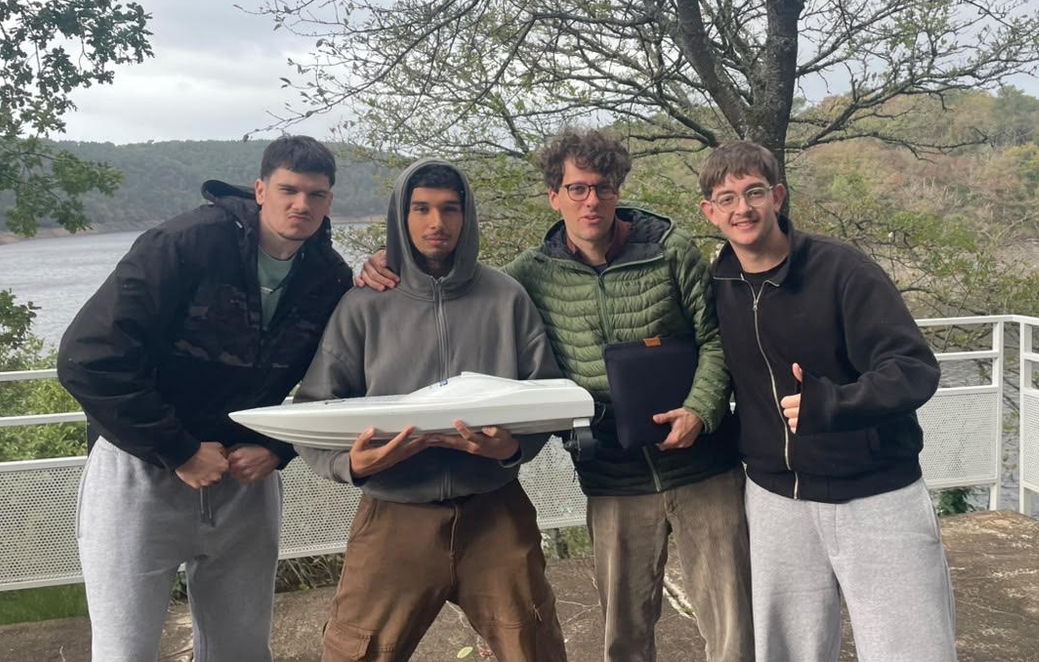
Group 1: Csaba (Cluj-Napoca, Romania), Ahmet (Izmir Turkey), Aron Tamas (Vienna, Hungaria),
Christos (Chania, Greece)
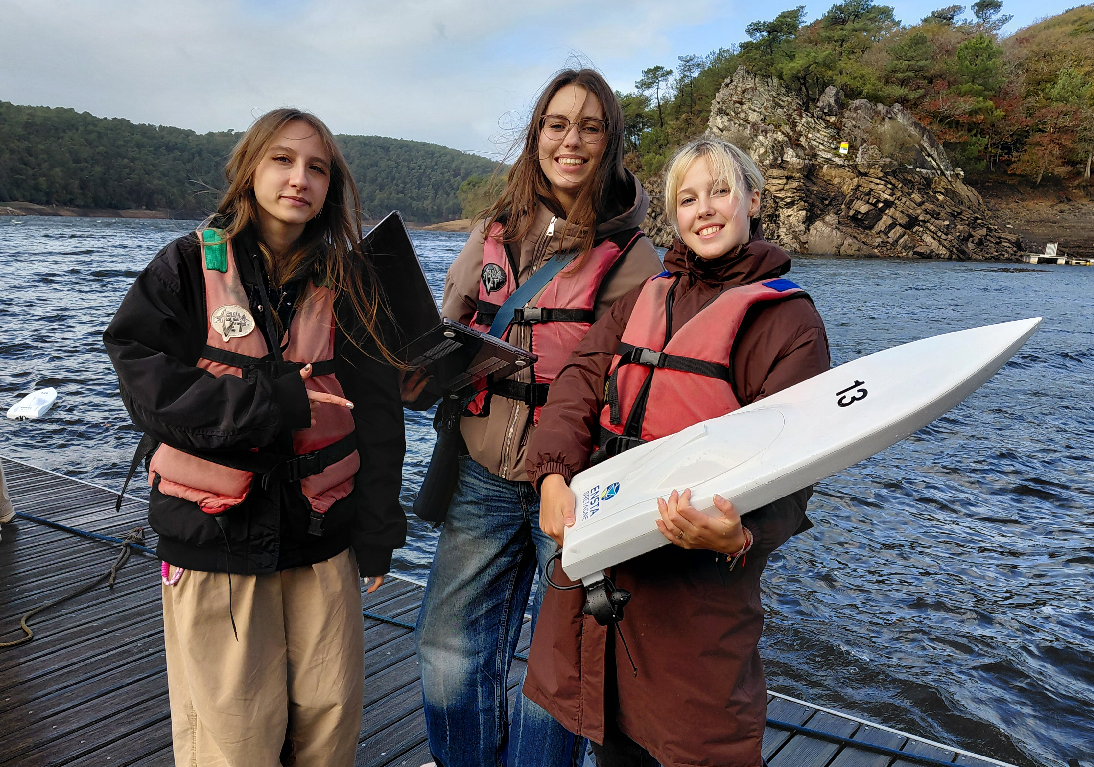
Group 2: Sofiia (Lviv, Ukrainia), Mariia (Lviv, Ukrainia), Saule (Kaunas, Lithuania)
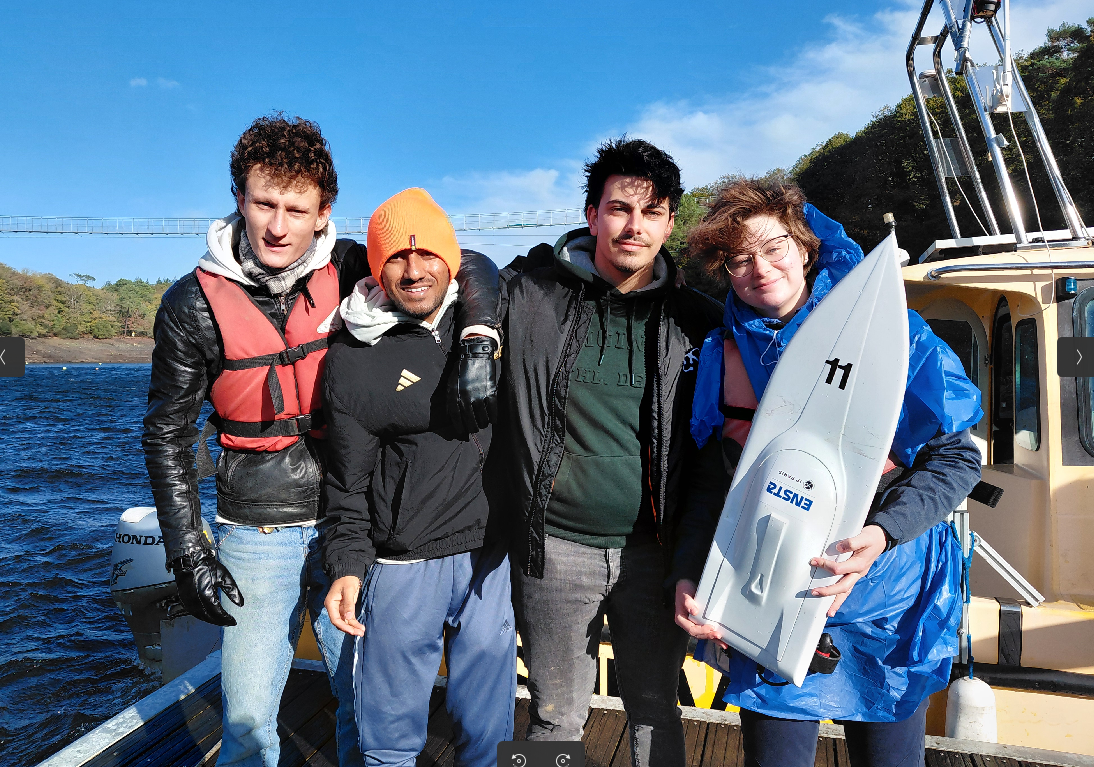
Group 3: Jakub (Krakow, Poland), Vamshidhar (Erlangen, Germany), Samuel (Liège, Belgium), Natalia (Krakow, Poland),
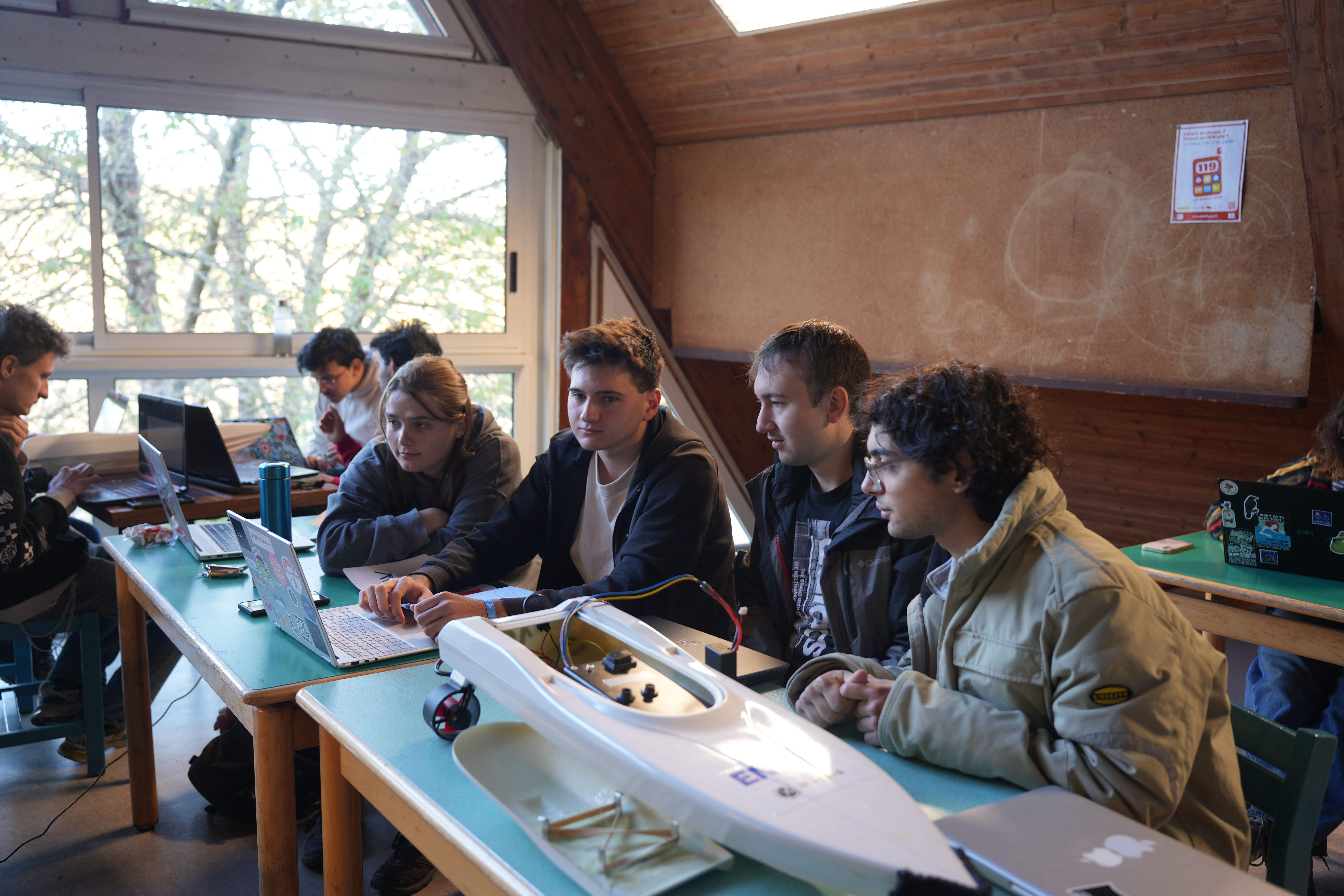
Group 4: Coco (Aachen, Germany), Nemanja (Erlangen, Germany), Unai (Barcelona, Spain), Luigi (Turin, Italy)